

Advancing Holistic Approaches: Building Peace, Recovery, and Economic Resilience
For more than two decades, the WRO has worked alongside communities affected by conflict, displacement, terrorism, and violent extremism to promote peace, protection, recovery, and sustainable development. Drawing on extensive frontline humanitarian and development experience, WRO continues to advocate for humanitarian-principled, community-led, and multi-sectoral approaches to Preventing and Countering Violent Extremism (PCVE) that address both the root causes of violence and the long-term needs of those affected by it.
Recognizing that violent extremism is not solely a security issue, but also a humanitarian, social, economic, and development challenge, WRO’s PCVE approach reflects an integrated framework that combines peacebuilding, protection, psychosocial support, education, livelihood recovery, economic resilience, community reconciliation, and inclusive development to strengthen resilience, restore dignity, and support sustainable peace. By addressing the interconnected humanitarian, governance, social, and economic dimensions of violent extremism, WRO promotes solutions that help individuals, families, and communities recover while reducing the conditions that can contribute to future instability.
A Multi-Sectoral Approach to Sustainable Peace and Development
WRO’s holistic PCVE approach recognizes that sustainable peace requires more than preventing violence—it requires restoring the foundations for sustainable development. Through integrated humanitarian and development programming, WRO strengthens resilience at the individual, household, and community levels, enabling communities not only to recover from crisis but also to adapt to future shocks and build more prosperous, inclusive futures.
The approach integrates:
-
Community reconciliation and mediation
-
Peacebuilding and social cohesion
-
Mental Health and Psychosocial Support (MHPSS)
-
Protection and legal assistance
-
Education and skills development
-
Livelihood recovery and economic resilience
-
Local economic recovery and market revitalization
-
Women’s leadership and youth empowerment
-
Digital and media literacy
-
Reintegration and rehabilitation
-
Community-based governance and conflict resolution
Together, these interventions strengthen social cohesion, rebuild trust, restore livelihoods, promote inclusive participation, and create the conditions necessary for sustainable economic development and lasting peace.
Economic Resilience at the Heart of Prevention and Recovery
Sustainable peace and lasting recovery are underpinned by resilient livelihoods, inclusive economic opportunities, and strong local economies. Violent extremism not only threatens security—it disrupts markets, destroys productive assets, weakens infrastructure, erodes household incomes, and undermines the economic foundations upon which communities depend. Restoring these foundations is essential to preventing future cycles of violence while supporting victims, survivors, and conflict-affected populations on their path toward recovery and self-reliance.
WRO’s PCVE approach places economic resilience at the center of both preventing violent extremism and supporting the long-term recovery of victims and survivors of terrorist violence. By addressing economic exclusion, unemployment, poverty, marginalization, and limited access to economic opportunity—all factors that can increase vulnerability to recruitment and exploitation—the approach strengthens communities while creating sustainable alternatives to violence.
Through integrated livelihood recovery and economic empowerment initiatives, WRO supports:
-
Vocational, technical, and business skills development
-
Entrepreneurship and small business development
-
Livelihood restoration, asset replacement, and job placement
-
Economic reintegration of survivors, returnees, and vulnerable populations
-
Women’s economic empowerment and youth employment
-
Household and community livelihood recovery
-
Local economic recovery, market participation, and community economic revitalization
For victims and survivors of terrorist violence, these interventions provide opportunities to restore self-reliance, rebuild livelihoods, regain financial independence, strengthen resilience, and participate meaningfully in economic and community life. Economic recovery complements psychosocial support, legal assistance, and social reintegration by restoring dignity, rebuilding confidence, reducing long-term dependence on humanitarian assistance, and enabling individuals and families to contribute to local economic growth and sustainable development.
WRO’s approach strengthens three complementary dimensions of resilience:
-
Stabilization Capacity – enabling individuals and households to meet their immediate needs and begin the recovery process.
-
Adaptive Capacity – strengthening livelihoods, skills, and economic empowerment so communities can withstand future shocks and changing economic conditions.
-
Transformative Capacity – addressing structural inequalities, promoting gender equality, fostering inclusive participation, and creating sustainable economic opportunities that contribute to long-term peace and development.
By strengthening livelihoods, advancing economic empowerment, promoting gender equality, and fostering community inclusion, WRO helps create resilient local economies that stimulate investment, generate employment, rebuild trust, and reduce the socioeconomic conditions that can fuel future cycles of violence. Economic development is therefore not only an outcome of recovery—it is a cornerstone of prevention, resilience, and sustainable peace.
Building Resilient and Inclusive Communities
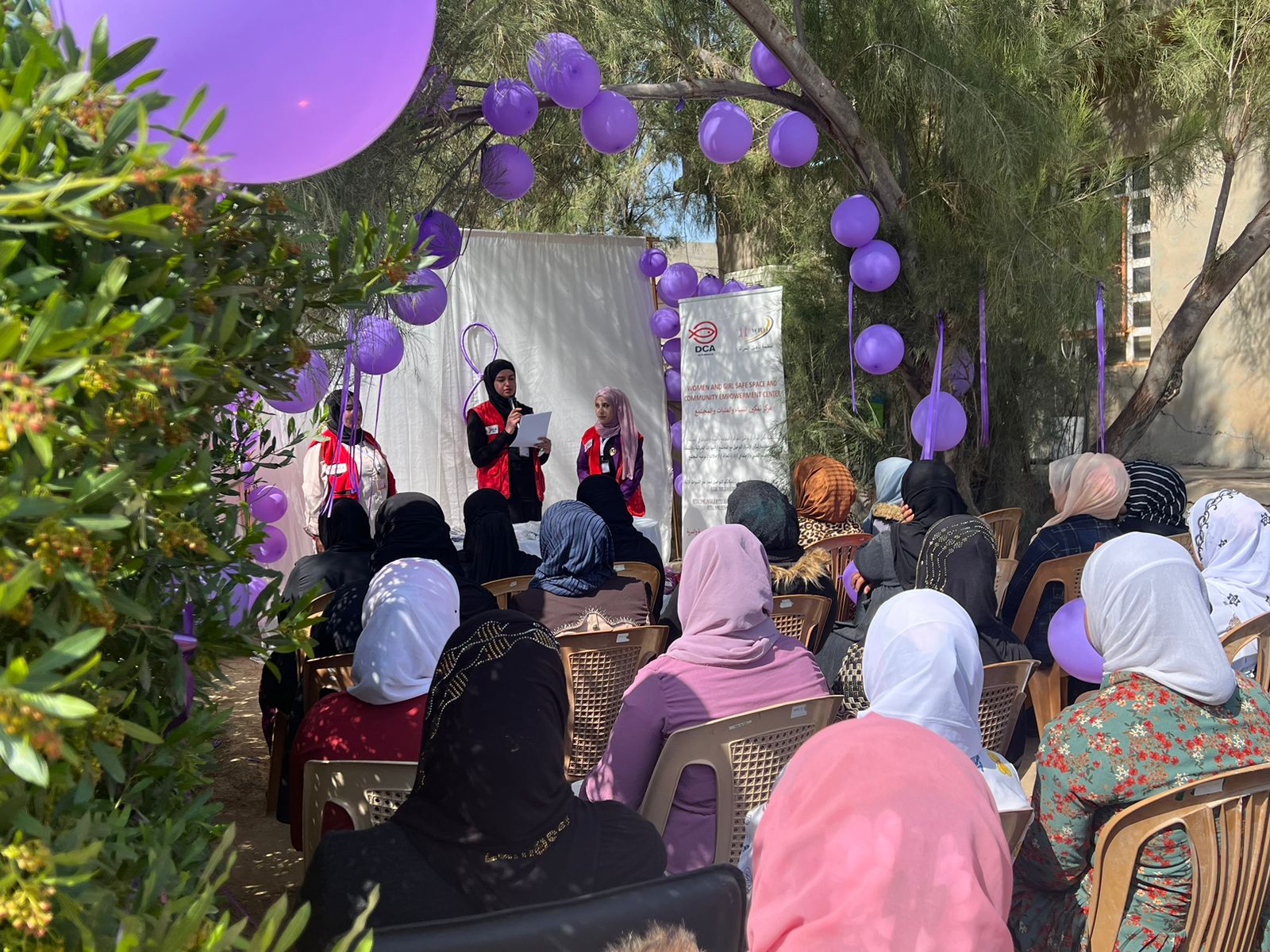
Through its integrated and locally led PCVE approach, WRO continues to strengthen community resilience, enhance social cohesion, improve access to protection and psychosocial services, expand opportunities for women and youth to lead peacebuilding efforts, and support the safe reintegration of affected populations.
By combining humanitarian assistance with livelihood recovery, economic empowerment, community participation, and inclusive development, WRO contributes to stronger institutions, more resilient households, and healthier local economies capable of sustaining peace, stability, and prosperity over the long term.
Continuing Our Commitment
WRO remains committed to advancing its holistic PCVE approach through evidence-informed, community-led, and humanitarian-principled programming that strengthens resilience, supports victims and survivors of terrorist violence, restores livelihoods, promotes economic recovery, and builds the foundations for sustainable development. Through continued collaboration with governments, civil society, local communities, the private sector, and international partners, WRO advocates for integrated solutions that address both the immediate and long-term impacts of violent extremism—transforming vulnerability into opportunity, strengthening resilient local economies, fostering inclusive growth, and building peaceful, prosperous, and resilient communities for generations to come.